The Last 10 Days in the Automotive World: From BMW to Ferrari
BMW is cutting 8,000 jobs, Ferrari is testing biofuel in its engines, VW's profits are sliding, and Renault grew its Turkish sales by 15.4%. We round up what happened across the global auto industry in late July 2026.
The Last 10 Days in the Automotive World: From BMW to Ferrari
Late July turned out to be a busy stretch, with most major automakers reporting second-quarter financial results within days of each other. In this article we round up the key developments across the global automotive industry over the last 10 days — from layoffs to new engine technology, from earnings reports to leadership changes.
BMW: The Largest Voluntary Redundancy Program in Its History
BMW announced the largest voluntary redundancy program in company history: roughly 8,000 positions worldwide, about 5% of its total workforce. The cuts are concentrated in administrative, development, and management roles at Munich (including the 25,000-person FIZ research center), Regensburg, Dingolfing, and Leipzig — production-line workers are excluded from the program. Rather than forced layoffs, it runs as a voluntary severance scheme starting October 2026 and continuing through the end of 2027. BMW is targeting roughly €1 billion in annual savings from 2028 onward, citing weakening China sales, US tariffs, pressure on EV margins, and intensifying Chinese competition. The company had already cut its 2026 profit forecast back in June. (Bloomberg, July 29, 2026; Electrive, July 30, 2026)
Ferrari: Testing Biofuel in Its Engines
On Ferrari's Q2 earnings call, CEO Benedetto Vigna confirmed the company has been testing several "carbon-neutral" biofuels directly in its road cars' internal combustion engines, stating performance is unchanged. Ferrari is positioning this as a parallel decarbonization path alongside its electrification strategy (which includes the electric Luce model) rather than a replacement for it. On the same call, Vigna confirmed two more new models are coming by the end of 2026. On the Formula 1 side, Ferrari — along with Haas and Cadillac — is the only engine-supplier group choosing organic-waste-derived biofuel over lab-synthesized e-fuel under 2026's new "fossil-fuel-free" regulations, a choice reportedly helping it sidestep the combustion instability issues other manufacturers hit during pre-season development. (Motor1, ~July 30, 2026)
Volkswagen: Profit Slump and a 100,000-Job Restructuring Push
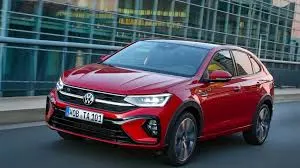
Volkswagen Group reported Q2 operating profit of €3.5 billion, down roughly 10% year-on-year and below the €4.3 billion consensus estimate. The group abandoned its 2026 sales-growth forecast in favor of a projected revenue decline of up to 3%; global deliveries fell 6.3% in H1, driven by weakness in China. CEO Oliver Blume is pushing a "radical restructuring" that could affect up to 100,000 positions group-wide, with CFO comments also addressing possible plant closures. (CNBC, July 24, 2026)
Mercedes-Benz: Profit Up, But a Cautious Outlook on China
Mercedes-Benz reported Q2 revenue of €32.1 billion (a slight dip from €33.2 billion a year earlier), but operating profit rose to €1.5 billion and adjusted operating profit climbed 22% to €2.3 billion, beating forecasts. Despite that, the company cut its full-year sales forecast, citing continued weakness in China specifically. It also announced the start of production on a new "axial flux" electric motor. (Euronews, July 28, 2026)
Stellantis: A Strong North American Rebound
Stellantis, whose brands include Jeep, Ram, Peugeot, and Fiat, grew Q2 net revenue 13% to €43.5 billion, with adjusted operating income more than tripling to €773 million from €213 million a year earlier — most of the gain came from a 32% jump in North American performance. Even so, net profit stayed comparatively thin at €300 million, keeping questions alive about CEO Antonio Filosa's "FaSTLAne 2030" turnaround strategy. The company also named new leaders for the Ram and Jeep brands the same week. (Stellantis / GlobeNewswire, July 30, 2026)
Renault: Turkish Sales Up 15.4%
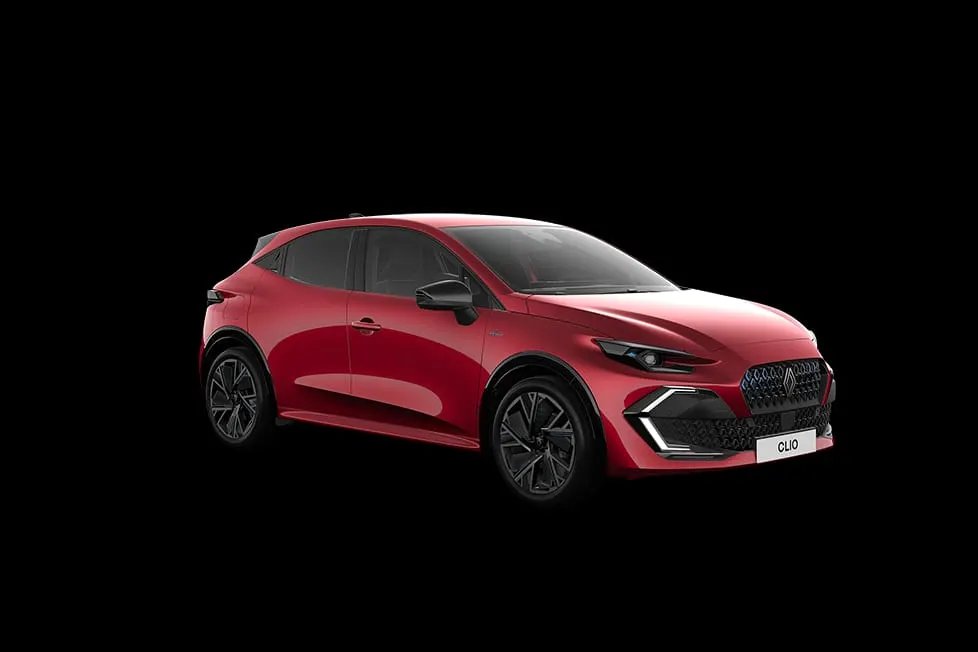
Renault Group beat market expectations in Q2, with group revenue up 9.5% to €30.3 billion and an operating margin of 5.2%. The Renault brand sold 829,518 vehicles worldwide (+2.6%), with standout growth in India (+61.2%), Turkey (+15.4%), Morocco (+13.7%), and Brazil (+5.3%) — the Turkish growth lines up with Renault also being Turkey's best-selling brand in June 2026 (see our Turkey's Best-Selling Cars in June 2026 article). 52% of the group's European sales were electrified vehicles. Separately, French prosecutors referred an older-generation diesel-engine investigation to criminal court; Renault disputes the allegations. (Bloomberg, July 29, 2026)
Tesla: Record Revenue, But a Profit Miss
Tesla's Q2 results showed record revenue of $28.24 billion (+26%), beating the $26.4 billion consensus, with deliveries growing year-on-year for the first time in two years, reaching 480,126 units (+25%). Profitability disappointed, however: non-GAAP EPS of $0.33 missed the $0.53 estimate (down 18%), and net income fell 5% to $1.11 billion. Capital expenditure jumped 142% to $5.79 billion, pushing free cash flow into a $1.09 billion deficit. (Electrek, July 22, 2026)
Toyota: Sales Decline, a New Step for the Founding Family
Toyota's global production and sales fell in the first half of the year for the first time in two years, with global sales down 2.9% to just over 5 million units, driven by weakness in China and disruption from the RAV4 model changeover. Separately, 38-year-old Daisuke Toyoda — great-grandson of the founder and son of chairman Akio Toyoda — is reported to be leaving his eight-year role at Toyota's "Woven" tech subsidiary for a manufacturing role at the historic Motomachi plant starting August 1, a move widely read as a deliberate step on a path toward eventually leading the company. (Bloomberg, July 29, 2026; US News/AP, July 30, 2026)
What Does the Bigger Picture Show?
- China pressure is the common thread: BMW, Volkswagen, Mercedes-Benz, and Toyota all cite weakening Chinese demand as a key risk factor.
- The German "Big Three" had a tough quarter: BMW is cutting jobs, VW is losing profit and restructuring, and Mercedes cut its sales outlook despite a profit increase.
- Renault and Stellantis stood out on North America/emerging markets: both posted results ahead of expectations.
- Tesla has volume but margin pressure persists: despite record delivery numbers, profitability is declining.
Conclusion
The last week of July laid bare how the auto giants are grappling with Chinese competition, US tariffs, and the cost of the shift to electric vehicles. Check our Blog page regularly for developments relevant to the Turkish market, and our Vehicles page for current car prices.
Frequently Asked Questions
How many jobs is BMW cutting?
BMW announced a program covering roughly 8,000 positions worldwide, through voluntary severance packages, running from October 2026 through the end of 2027. Production-line workers are excluded from the program.
Has Ferrari started using biofuel in its road cars?
Not in series production yet; Ferrari CEO Benedetto Vigna confirmed the company is testing several carbon-neutral biofuels in its internal combustion engines, with performance unchanged.
Which automakers cited weakness in China as a factor?
BMW, Volkswagen, Mercedes-Benz, and Toyota all cited weakening Chinese demand as a shared risk factor in their Q2 results and sales outlooks.
How did Renault's Turkish sales perform?
Renault grew its Turkish sales by 15.4% year-on-year — a strong performance that lines up with the brand also being Turkey's best-selling automaker in June 2026.
Sıfır Fiyatlar Editör
Sıfır Fiyatlar's editorial team compiles and regularly updates current price lists, campaigns, and buying guides for Turkey's automotive market.