What's the Difference Between Mild Hybrid, Full Hybrid, and Plug-in Hybrid?
What actually separates mild hybrid, full hybrid, and plug-in hybrid — which ones can drive on electric power alone, and which just save fuel? Explained with real example models, alongside a guide to automatic transmission types.
What's the Difference Between Mild Hybrid, Full Hybrid, and Plug-in Hybrid?
The "hybrid" label now appears in almost every brand's lineup, but it doesn't always mean the same technology. The difference between mild hybrid, full hybrid, and plug-in hybrid directly affects the fuel savings and driving experience you'll actually get day to day. In this article we explain all three using real example models, then add a short guide to automatic transmission types.
What Is a Mild Hybrid?
In mild hybrid systems, a small electric motor and a low-capacity battery (usually 48V) assist the main engine during acceleration and take-off. The car can never move on electric power alone — the electric motor always plays a supporting role to the combustion engine. It recovers braking energy to cut fuel consumption by roughly 5-10%.
Example models: Renault Captur Techno 1.3 TCe 160 HP Mild Hybrid, Volkswagen Golf 1.5 eTSI DSG (mild-hybrid equipped).
What Is a Full Hybrid?
In full hybrid systems, the electric motor can drive the car on its own, on electric power alone, at low speeds and over short distances. The battery isn't charged externally; energy comes from regenerative braking and the engine itself. It significantly cuts fuel consumption in city traffic, especially in stop-and-go driving.
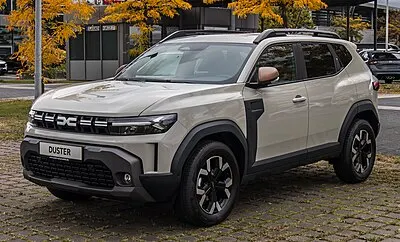
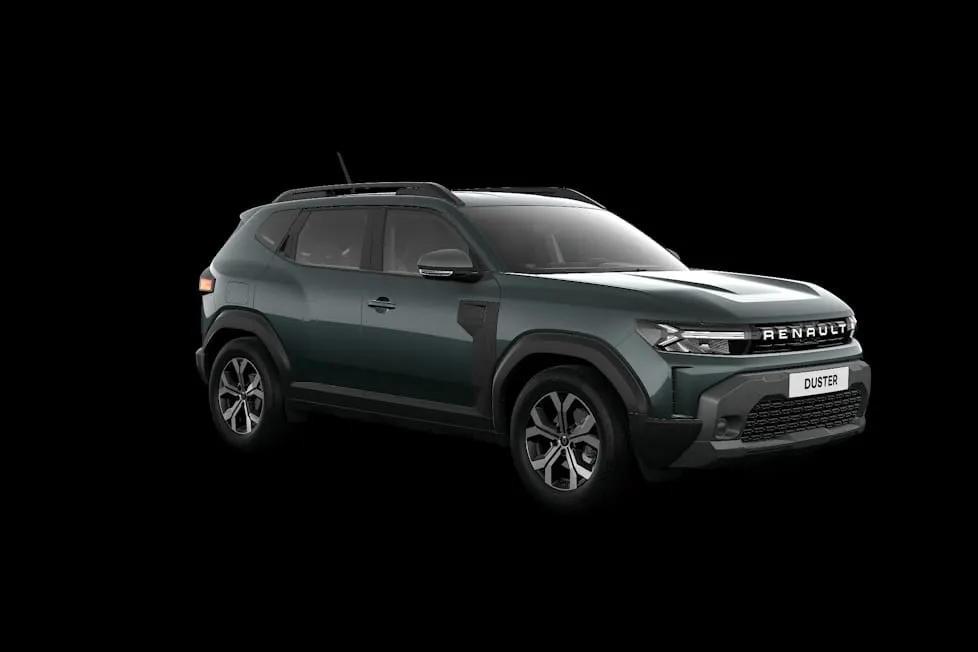
Example models: Dacia Duster E-Tech Full Hybrid 160 HP, Renault Rafale Esprit Alpine E-Tech Full Hybrid 200 HP, Renault Boreal Iconic Full Hybrid E-Tech, the hybrid version of the Hyundai Tucson.
What Is a Plug-in Hybrid?
A plug-in hybrid (PHEV) has a much larger battery than a full hybrid, and it can be charged from a wall outlet. On a full charge it typically covers 40-100 km on electric power alone; once the battery is depleted, the system continues to operate like a regular hybrid. If your daily commute is short (say, home to work), you can drive almost entirely without burning fuel, while it behaves like a hybrid on longer trips.
Example models: BMW M5 xDrive M Hybrid, Volvo XC60/XC90 T8 AWD Plug-in Hybrid, Range Rover Evoque/Discovery Sport Plug-in Hybrid. In Turkey, plug-in hybrid options are currently concentrated mostly in the premium segment.
Comparing the Three Technologies
| Feature | Mild Hybrid | Full Hybrid | Plug-in Hybrid |
|---|---|---|---|
| Can it drive on electric alone? | No | Yes, short distance (1-2 km) | Yes, 40-100 km |
| Can it be charged from an outlet? | No | No | Yes |
| Battery size | Small (48V) | Medium | Large |
| Fuel savings | Low-medium | Medium-high | High (over short distances) |
| Price impact | Low added cost | Medium added cost | High added cost |
Bonus: What Do Automatic Transmission Types Actually Mean?
Another topic that gets confused almost as often as hybrid technology is transmission type. The main types you'll come across in new cars sold in Turkey are:
- Manual: Gears are shifted by hand using a clutch pedal; the lowest-cost and simplest setup.
- Classic automatic (torque converter): No clutch pedal, with smooth gear changes; favored by comfort-oriented drivers.
- Dual-clutch automatic (DSG / EDC / TCT): Listed as "Automatic" in brand catalogs, but actually operates with two separate clutches; delivers fast gear changes and lower fuel consumption — the Clio's EDC and the Golf's DSG both fall into this category.
- Semi-automatic: No clutch pedal, but gear changes happen through a robotized manual mechanism; shifts can feel slightly more delayed than a dual-clutch unit.
- CVT: Uses a continuously variable belt-and-pulley system instead of fixed gear ratios, delivering smooth acceleration; favored particularly in some Japanese-brand models.
Conclusion
When choosing a hybrid technology, it matters more to look at which technology you're actually getting than at the "hybrid" label itself — and to weigh your daily driving distance and whether you have access to charging. If you drive short distances in the city and can charge at home or work, a plug-in hybrid makes sense; if you just want fuel savings, a full hybrid is the better fit; if you want a modest improvement at low added cost, a mild hybrid is the more sensible choice. You'll find current hybrid and electric model prices on our Vehicles page, and a petrol-vs-hybrid comparison in our Hybrid or Petrol article.
Frequently Asked Questions
Can a mild hybrid car drive on electric power alone?
No. In a mild hybrid system, the electric motor always plays a supporting role to the main engine; the car can never move on electric power alone.
What is the main difference between a full hybrid and a plug-in hybrid?
A full hybrid's battery is not charged externally and can only drive 1-2 km on electric power; a plug-in hybrid has a much larger battery that can be charged from an outlet, covering 40-100 km on electric power alone.
What is the difference between an EDC/DSG transmission and a classic automatic?
An EDC/DSG operates with a dual-clutch mechanism, delivering faster gear changes and lower fuel consumption; a classic (torque converter) automatic instead offers smoother gear changes with no clutch pedal.
Sıfır Fiyatlar Editör
Sıfır Fiyatlar's editorial team compiles and regularly updates current price lists, campaigns, and buying guides for Turkey's automotive market.