Is It Worth Buying an Electric Car in 2026? A Decision Guide
Does an electric car make sense for you? We lay out concrete criteria based on your daily driving distance, charging access, and budget to help you decide.
Is It Worth Buying an Electric Car in 2026? A Decision Guide
Whether buying an electric car is "worth it" doesn't have the same answer for everyone — the real question is whether it fits your usage profile. In this article we cover four concrete criteria that should shape your decision: daily driving distance, charging access, budget, and intended use.
1. How Far Do You Drive Daily?
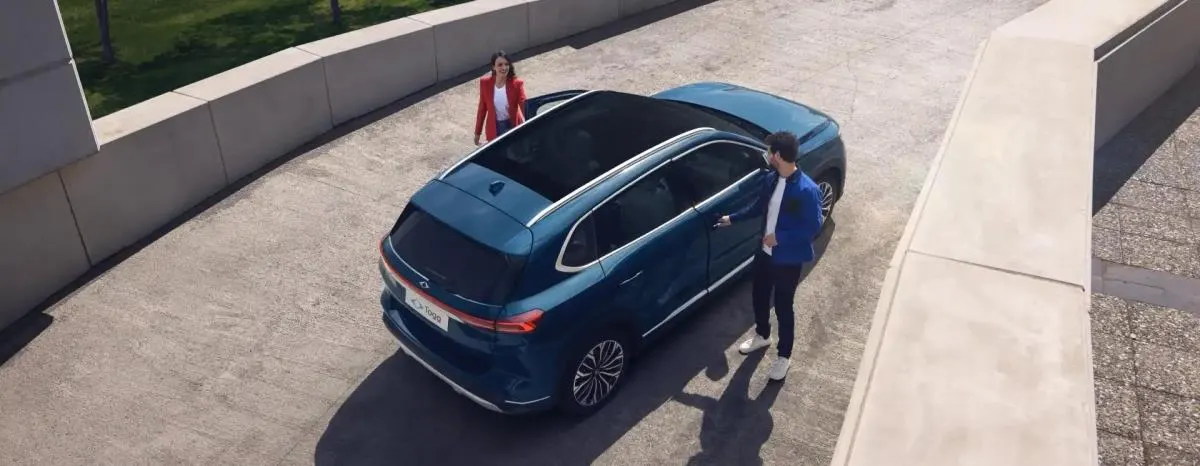
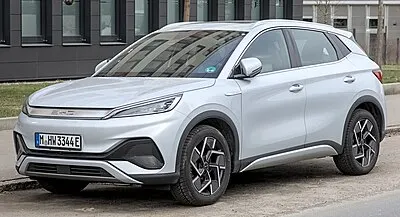
For drivers with a daily city-driving distance of around 50-100 km, today's electric models with 300-500 km of range (like the TOGG T10X or BYD Atto 3) comfortably get by on one or two charges a week. If you frequently drive long intercity distances, charging time and the density of fast-charging infrastructure along your route become much more decisive factors.
2. Do You Have Access to Charging?
- Home/apartment charging: If you can charge overnight at a lower rate, an electric car's running-cost advantage is at its strongest.
- Workplace charging only: Daytime charging, if available, is still a practical solution.
- Public fast-charging only: In this case, both the cost and time advantage narrow considerably, since public charging fees run notably higher than home charging. See our EV Charging Cost Comparison for a detailed cost breakdown.
3. What's Your Budget?
Entry-level electric car prices have become competitive with conventional fuel-powered SUVs in recent years — for example, the TOGG T10X standard-range version starts at 1,869,048 TRY. But when weighing total cost, look beyond the sticker price to the lower MTV (electric vehicles are taxed under a separate, generally more favorable kW-based schedule) and the fuel-vs-electricity cost gap.
4. What Will You Use It For?
- Daily city driving: The ideal scenario for an electric car — low running costs and quiet driving stand out.
- Mostly long-distance driving: Charging time and infrastructure density need to be factored in; a hybrid alternative is also worth considering for this profile (see Hybrid or Petrol).
- Cold-climate regions: You need to account for possible range loss in low temperatures.
Decision Matrix
| Your Profile | Recommendation |
|---|---|
| City driving + home charging access | A strong candidate for electric |
| Mostly long-distance + limited charging access | A full hybrid is worth considering |
| Budget-first + short-distance use | Entry-level electric models (TOGG T10X, BYD Atto 3) fit well |
| Cold climate + long distances | Choose a longer-range version to account for range loss |
Conclusion
The electric car decision doesn't have a single right answer — it comes down to your usage profile. You can track current electric car prices on our Electric Vehicles page, and compare models using our Compare tool.
Frequently Asked Questions
Can you use an electric car without home charging access?
Yes, but relying solely on public fast-charging is less advantageous than home charging on both cost and time; users in this situation should also check whether workplace charging is an option.
Do electric cars lose range in cold weather?
Yes, battery efficiency drops in low temperatures, which can cause a noticeable reduction in range; those living in cold-climate regions are advised to account for this and choose longer-range versions.
Which electric models suit short-distance city driving?
Entry-level models like the TOGG T10X standard-range version and the BYD Atto 3 offer a good starting point for short-distance city driving on both price and range.
Sıfır Fiyatlar Editör
Sıfır Fiyatlar's editorial team compiles and regularly updates current price lists, campaigns, and buying guides for Turkey's automotive market.