2026 Turkish Automotive Industry Analysis: Production, Localization, and New Brands
Where is the Turkish automotive industry heading in 2026? We cover domestic production hubs, the shift to electric vehicles, the entry of new Chinese-origin brands, and their impact on new-car prices.
2026 Turkish Automotive Industry Analysis
The Turkish automotive industry remains one of Europe's key production hubs while also undergoing rapid transformation in its domestic market, driven by both electrification and the entry of new brands. This analysis covers three main axes shaping the sector as of 2026: domestic production, the shift to electric vehicles, and new brands entering the market.
Domestic Production Hubs
Turkey has long had a strong manufacturing base exporting to Europe. Alongside established manufacturers like Renault (Bursa), Fiat/Tofaş (Bursa), Ford Otosan (Gölcük/Yeniköy), Toyota (Sakarya), and Hyundai Assan (Kocaeli), the fully domestically-owned TOGG's Industry 4.0 facility in Gemlik has joined the mix. The clearest advantage of domestic production is that, thanks to ÖTV regulations that incentivize local content, some models — such as the Renault Boreal — can achieve a price advantage over imported rivals.
The Shift to Electric Vehicles
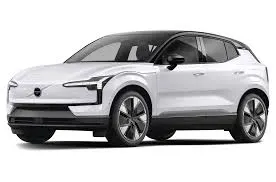
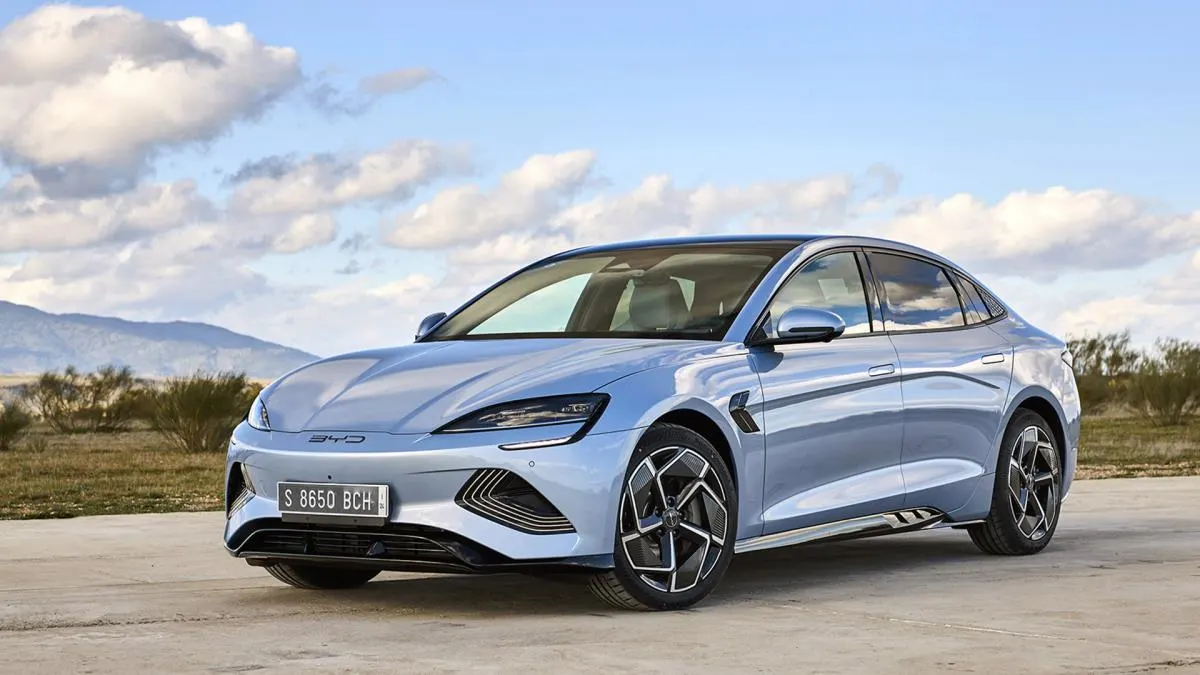
The range of models in our own catalog reflects how fast electrification is moving: dozens of fully electric models are now sold in Turkey, including the TOGG T10X/T10F, Tesla Model Y/3, BYD Atto 3/Seal/Han/Tang, Volvo EX30/EX40/EC40, the Hyundai Ioniq range, and the Kia EV3/EV6/EV9. Alongside these, mild-hybrid and full-hybrid options stand out as a middle ground for buyers who want fuel savings but are wary of charging infrastructure. You can review the cost factors that matter for an EV decision in our EV Charging Cost Comparison article.
New Brands Entering the Market
Chinese-origin brands that have recently entered the Turkish market — Chery and its sub-brand Jaecoo, MG, and BYD among them — are intensifying competition and reshaping the price/equipment balance, especially in the C-SUV segment. Their common strategy is offering a richer equipment level (panoramic glass roofs, large touchscreens, ADAS driver-assist systems) at more accessible price points, which is pushing established brands to compete harder on both equipment and pricing.
The Impact on Prices
- Domestic production and ÖTV incentives create a clear price advantage on some models.
- New brand entries are intensifying price/equipment competition in the C-SUV and B-SUV segments.
- A growing range of electric vehicle options is opening up EV alternatives across different budget levels.
Conclusion
As of 2026, the Turkish automotive market is undergoing rapid transformation in both production and brand diversity. If you want to keep a close eye on current price movements, check our Negotiated Dealer Prices page, and to compare all brands and models, browse our Vehicles page regularly.
Frequently Asked Questions
Which brands manufacture domestically in Turkey?
Renault and Fiat/Tofaş manufacture in Bursa, Ford Otosan in Gölcük/Yeniköy, Toyota in Sakarya, and Hyundai Assan in Kocaeli; TOGG produces at its fully domestically-owned facility in Gemlik.
How does domestic production affect car prices?
Models with a high domestic content ratio can gain a price advantage over imported rivals thanks to incentives in ÖTV regulations; the Renault Boreal is a concrete example of this.
Which new brands have recently entered the Turkish market?
Chinese-origin brands such as Chery and its sub-brand Jaecoo, MG, and BYD have recently entered the Turkish market, intensifying competition especially in the C-SUV and electric vehicle segments.
Sıfır Fiyatlar Editör
Sıfır Fiyatlar's editorial team compiles and regularly updates current price lists, campaigns, and buying guides for Turkey's automotive market.